
 English
 español
 العربية
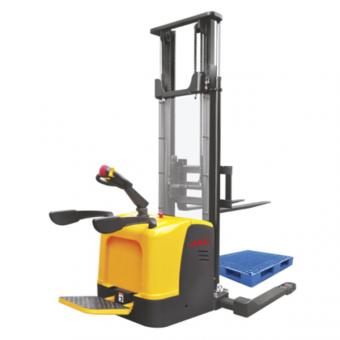
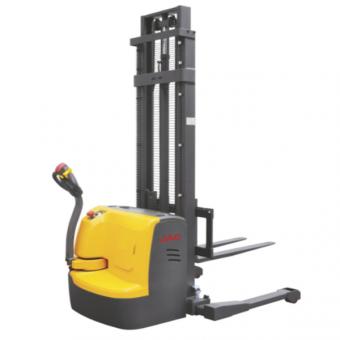
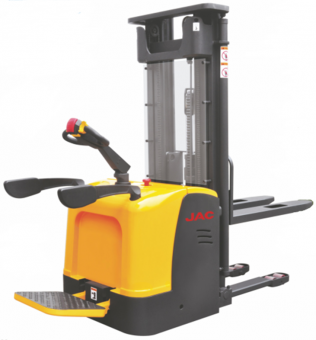
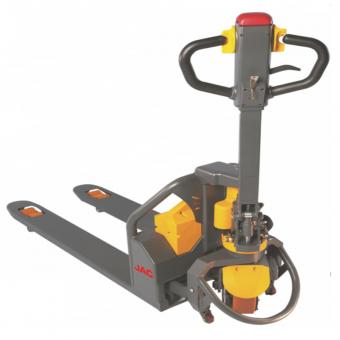
Damaged pallets not only reduce productivity but also significantly increase costs. Improper operation of forklifts is often the main culprit for pallet damage. Over time, the costs of pallets and their maintenance keep rising, which will inevitably impact the company's profits. Although there are various reasons for pallet damage, mistakes in the forklift handling process are the most common. Fortunately, many pallet damage problems can be effectively avoided through standardized operation procedures and enhanced training. The following are 10 practical tips to reduce forklift damage to pallets: 1.Reduce Travel Speed Slowing down is a crucial technique for limiting forklift damage to pallets and is closely related to many of the other techniques you will read below. Slowing down gives forklift operators more reaction time to handle pallets correctly and reduces situations such as short forks, improper tooth spacing, and other errors. In addition, slowing down can prevent the mast, forks, or other parts of the lift from hitting the pallets or the products they carry. Reducing rushed operations and using forklifts more gently will also extend the service life of forklifts. It is extremely important to slow down when picking up loads, putting down loads, and stacking or forking pallets. 2.Use Appropriate Pallets Does the pallet have sufficient load - bearing capacity? Slight differences in the size of pallet materials and the layout of the structure can make a big difference in its load - bearing capacity. Overloaded or mismatched pallets are more likely to break, crack, or shatter and are more vulnerable to damage due to improper forklift handling. Weight distribution is another important factor when using the right pallet. Even if the pallet can bear the load weight, uneven weight distribution will affect its performance. Improper weight distribution will put stress on the pallet in a non - designed way, leading to failure. Using the Pallet Design System (PDS) can help ensure that the pallet is loaded correctly and can perform its intended function. 3.Do Not Turn Until Forks Are Completely Withdrawn from the Pallet Stringer damage is a type of damage that is extremely harmful to pallets. Stringers are the key components that hold the pallet together. The failure of stringers will immediately lead to a significant loss of the pallet's load - bearing capacity. This particular type of damage is usually caused by forklift drivers releasing the load too early and turning out of the pallet while the forks are still in it, causing the forks to impact the stringers, resulting in strain and damage. Forklift drivers must ensure that the forks are completely withdrawn from the pallet before turning out. 4.Never Drag or Push Pallets Dragging pallets means pushing them across the floor. Pallets are not designed to be pushed along the ground. Doing so will apply inappropriate lateral stress to the pallet, destroying its load - bearing capacity. Dragging also c...
Read More
what are you looking for?




 IPv6 network supported
 +86-551-65877509
 lly.jqjck@jac.com.cn